We’re Stronger Together
With your help, we can make ambitious innovations in clinical care and education for our community.

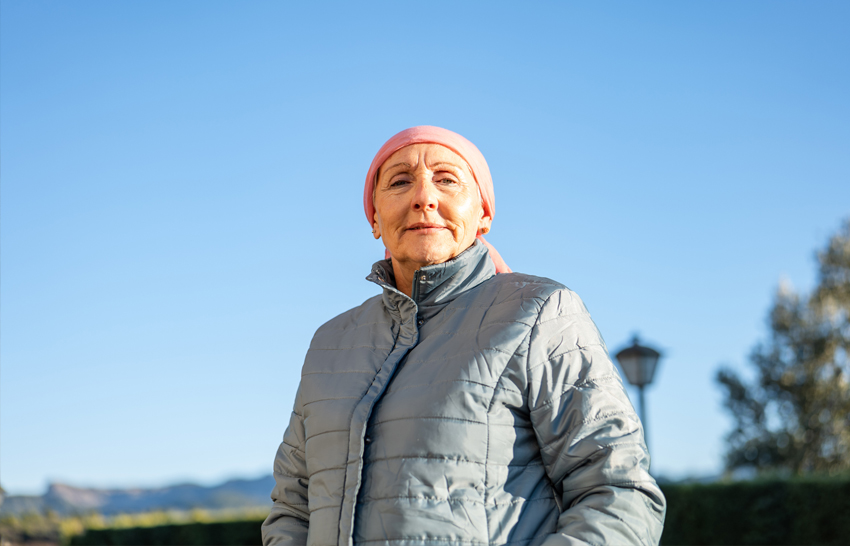
For many cancer survivors, finishing chemotherapy marks the end of an incredibly challenging chapter. It’s a moment often filled with relief, gratitude, and hope for the future. But for some, the journey doesn’t end when treatment stops.
Lingering nerve pain, numbness, or tingling—commonly known as cancer-related or chemotherapy-induced neuropathy—can continue long after cancer treatment is complete. For survivors who expected to feel “back to normal,” these symptoms can be confusing, frustrating, and discouraging.
The good news? You are not alone—and there are options that may help.
Cancer-related neuropathy occurs when chemotherapy or other cancer treatments damage the peripheral nerves. These nerves are responsible for sensation, movement, and coordination, particularly in the hands and feet.
“Chemotherapy is effective at targeting cancer cells, but it can also affect healthy nerves. When those nerves are damaged, patients may experience numbness, tingling, or pain—most often in the hands and feet,” explains Mark Bussell, DPT, Clinical Director of the Neuropathic Therapy Center at Loma Linda University Health.
Common symptoms may include:
Symptoms vary widely from person to person. Some experience mild discomfort, while others find that neuropathy interferes with walking, sleeping, or everyday tasks.
Unlike other tissues in the body, nerves heal slowly. Even after chemotherapy ends, the nervous system may continue to struggle to recover, especially if neural blood flow is reduced or inflammation persists.
Many cancer survivors are surprised to learn that neuropathy can:
This can be especially difficult emotionally. Survivors often say, “I beat cancer, but I still don’t feel like myself.” That frustration is valid—and important to acknowledge.
Neuropathy is more than physical discomfort. It can impact nearly every aspect of daily living.
“Neuropathy doesn’t just cause discomfort—it can affect walking, balance, sleep, and even confidence in daily activities,” says Dr. Bussell.
For cancer survivors who are eager to move forward, lingering nerve symptoms can feel like a setback. Addressing neuropathy is often an important step in restoring independence, mobility, and overall quality of life.
Many patients are familiar with conventional approaches to neuropathy, such as medications, supplements, or general physical therapy. While these options may help manage symptoms for some, they don’t always address underlying nerve dysfunction—and relief can be limited.
As a result, many cancer survivors seek non-invasive, drug-free options that support the body’s natural healing process.
At the Neuropathic Therapy Center, therapists use Integrated Neuromuscular Facilitation (INF®)—a specialized, non-invasive approach designed to support nerve function and improve neural blood flow.
“For many cancer survivors, INF® offers a gentle option to address neuropathy after chemotherapy, especially for those looking to avoid additional medications or invasive procedures,” says Dr. Bussell.
INF® therapy focuses on:
Importantly for cancer survivors, INF® therapy involves:
This gentle approach can be especially appealing to patients who have already undergone extensive medical treatments.
Cancer survivors often arrive at neuropathic therapy with complex medical histories and understandable concerns. INF® therapists tailor each treatment plan to the individual, taking into account prior cancer treatments, symptom severity, and functional goals.
Progress looks different for everyone. For some, improvement may mean better balance. For others, it may include reduced pain, improved sensation, or increased confidence during everyday activities. Therapists often emphasize celebrating small, meaningful wins along the healing journey.
Patients begin with a comprehensive evaluation to understand how neuropathy is affecting movement, sensation, and daily function. From there, therapists develop a personalized plan using INF® techniques to support healing over time.
INF® therapy is not a quick fix—but for many patients, consistency and patience can lead to meaningful improvements.
Lingering nerve symptoms do not mean your healing journey is over—or that nothing can be done.
If neuropathy is interfering with daily life, seeking specialized care focused on nerve health may help support recovery. Cancer survivorship is about more than being cancer-free—it’s about reclaiming comfort, mobility, and quality of life.
You may benefit from specialized neuropathic therapy if you experience:
Early intervention may play an important role in long-term outcomes.
At the Neuropathic Therapy Center, the focus is on supporting healing beyond cancer treatment. Through INF® therapy, the team works alongside survivors to help restore function, reduce symptoms, and improve overall well-being.
If you or a loved one is experiencing neuropathy after cancer treatment, learning more about available treatment options may be an important next step.
If you’re suffering from nerve pain, our Neuropathic Therapy Center may be able to help using a breakthrough physical therapy treatment called Intraneural Facilitation or INF.™ For more information and to schedule an evaluation, call 909-558-6799 or request information online.
With your help, we can make ambitious innovations in clinical care and education for our community.