

We’re Stronger Together
With your help, we can make ambitious innovations in clinical care and education for our community.
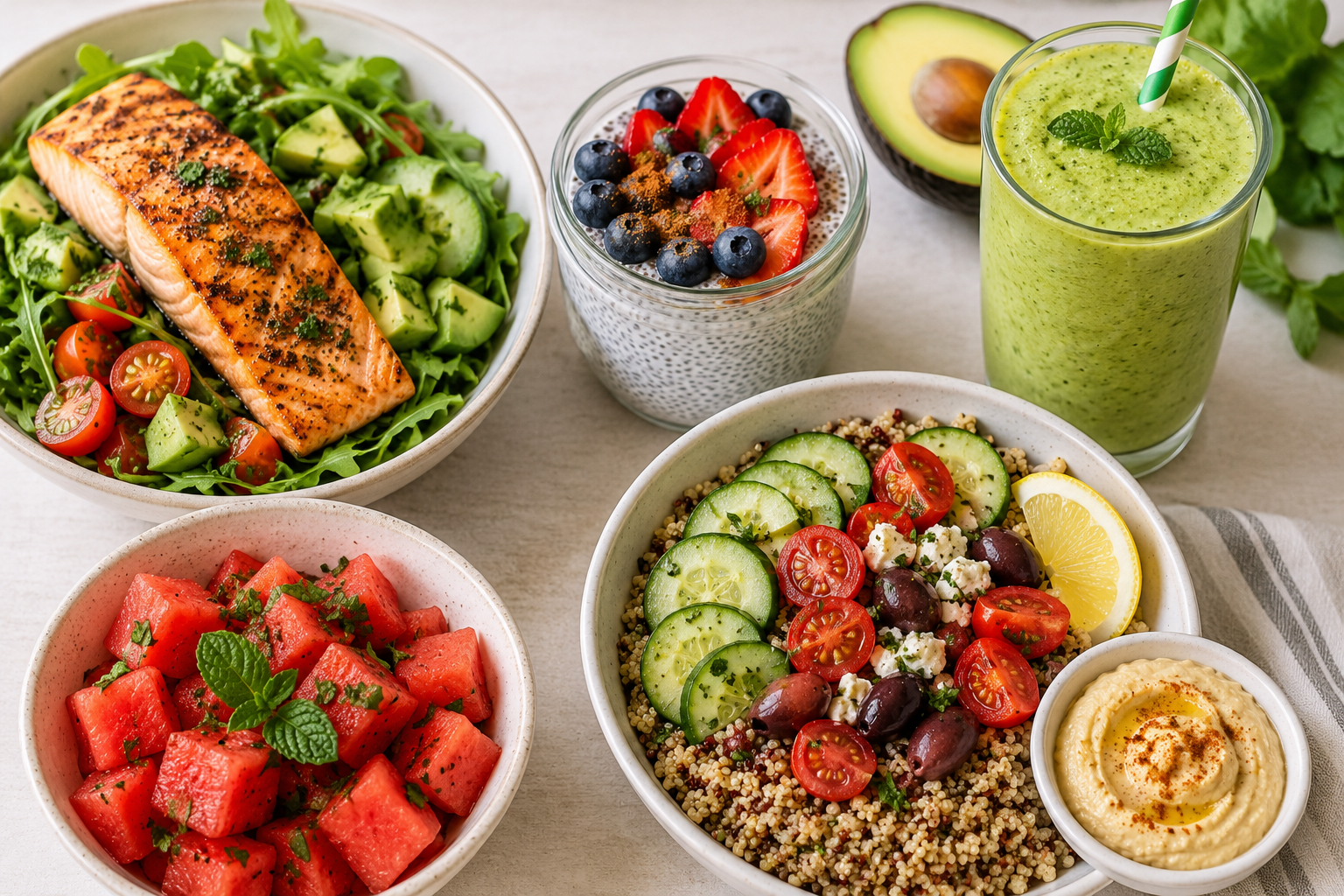
Summer is a time for vacations, backyard barbecues and plenty of time spent outdoors. It’s also a season when staying hydrated and making thoughtful food choices can make a positive difference on your overall health — including your nerve health.
If you’re living with neuropathy, good nutrition can boost your circulation, energy levels and overall wellness.
“While healthy eating is not a cure for neuropathy, supportive lifestyle habits may help patients better manage their symptoms and improve their quality of life,” says Mark Bussell, DPT, Clinical Director of the Neuropathic Therapy Center at Loma Linda University Health.
Southern California summers can make it easier to become dehydrated, especially if you’re spending time outdoors or traveling. Proper hydration supports circulation, muscle function and overall body function — all of which are important for maintaining good health.
In addition to drinking water throughout the day, consider adding water-rich foods to your meals and snacks, such as:
These foods can help you stay hydrated while providing plenty of vitamins and nutrients.
A balanced diet that includes a variety of nutrient-rich foods can aid healthy nerve function, Dr. Bussell says.
Some key nutrients include:
When possible, focus on fresh, minimally processed foods that benefit overall wellness.
Some examples include:
Small changes made consistently over time can add up to meaningful benefits.
Salmon provides omega-3 fatty acids, while leafy greens and avocado contain nutrients associated with nerve and muscle function.
Ingredients:
Directions:
Grill or bake the salmon with olive oil, lemon juice, salt and pepper. Assemble the vegetables in a bowl, top with salmon and garnish with a drizzle of olive oil and lemon juice.
Chia seeds contain omega-3 fatty acids and fiber, while berries provide antioxidants.
Ingredients:
Directions:
Combine all ingredients except the berries. Refrigerate overnight or for at least four hours. Top with fresh berries before serving.
Cucumber and coconut water are good for hydration, while avocado and spinach contain nutrients associated with muscle and nerve function.
Ingredients:
*Smoothies can be a convenient way to increase nutrient intake and hydration; however, individuals with diabetes should monitor carbohydrate intake and avoid excess added sugars. Including protein sources such as chia seeds, flax, unsweetened protein powder, or nut butters may help support more stable glucose responses.
Directions:
Blend all ingredients until smooth. Serve chilled.
This simple salad is naturally hydrating and perfect for warm summer days.
Ingredients:
Directions:
Combine all ingredients in a bowl and chill before serving.
Quinoa contains B vitamins and fiber, while vegetables and olive oil support balanced nutrition.
Ingredients:
Olive oil and lemon juice
Directions:
Combine quinoa and vegetables in a bowl. Drizzle with olive oil and lemon juice, and top with hummus if desired.
Healthy nutrition is an important component of overall wellness, but it’s only one piece of how you can support nerve health. If you’re experiencing symptoms such as tingling, numbness, burning sensations or balance changes, it’s important to talk to your doctor.
At the Neuropathic Therapy Center, patients may benefit from Intraneural Facilitation™) (INF®), a specialized noninvasive physical therapy treatment designed to help improve circulation to affected nerves and aid nerve health.
If you’re experiencing neuropathy symptoms, the specialists at the Neuropathy Therapy Center can help identify potential causes and discuss treatment options that may be right for you.
“Supporting nerve health often involves looking at the bigger picture of overall wellness,” Dr. Bussell says.
To learn more or schedule an evaluation, call 909-558-6799. You can also request an appointment online.
Important note: These nutritional suggestions are intended to support general wellness and hydration and are not a substitute for individualized medical or nutritional care. Individuals with diabetes, neuropathy or other medical conditions should consult their healthcare provider regarding dietary modifications and glucose management.
Disclaimer: This information is intended for educational purposes only and is not a substitute for professional medical advice, diagnosis or treatment.
If you’re suffering from nerve pain, our Neuropathic Therapy Center may be able to help using a breakthrough physical therapy treatment called Intraneural Facilitation or INF.™ For more information and to schedule an evaluation, call 909-558-6799 or request information online.
With your help, we can make ambitious innovations in clinical care and education for our community.